Green energy has become one of the most important solutions for protecting the environment and reducing the harmful effects of climate change. Traditional sources of energy such as coal, oil, and natural gas release large amounts of carbon dioxide and other greenhouse gases into the atmosphere. These emissions contribute to global warming and environmental pollution.
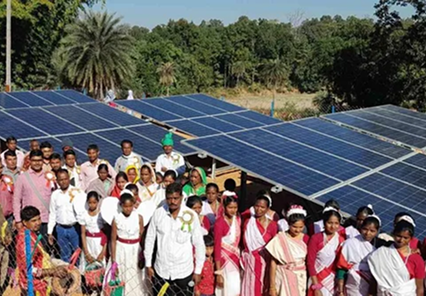
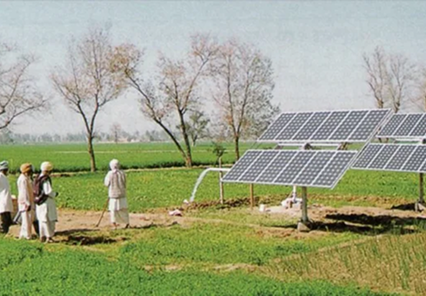
Green energy, on the other hand, comes from natural resources that are renewable and environmentally friendly. Sources such as sunlight, wind, and water can generate energy without producing harmful emissions. Because these resources are naturally replenished, they provide a sustainable alternative to fossil fuels.
As energy demand continues to grow around the world, the transition toward cleaner and more sustainable energy systems is becoming increasingly important. By adopting green energy solutions, societies can reduce pollution, protect natural resources, and ensure a healthier environment for future generations.